
Most sellers I meet are not missing a step. They are doing the right steps in the wrong order, and the order is where the money is. Painting after the photos. Getting an opinion on price after the work is already paid for. Listing in the same week the driveway gets torn up. None of those are mistakes of effort. They are mistakes of sequence, and they are the difference between a house that sells in two weeks at full price and one that sits.
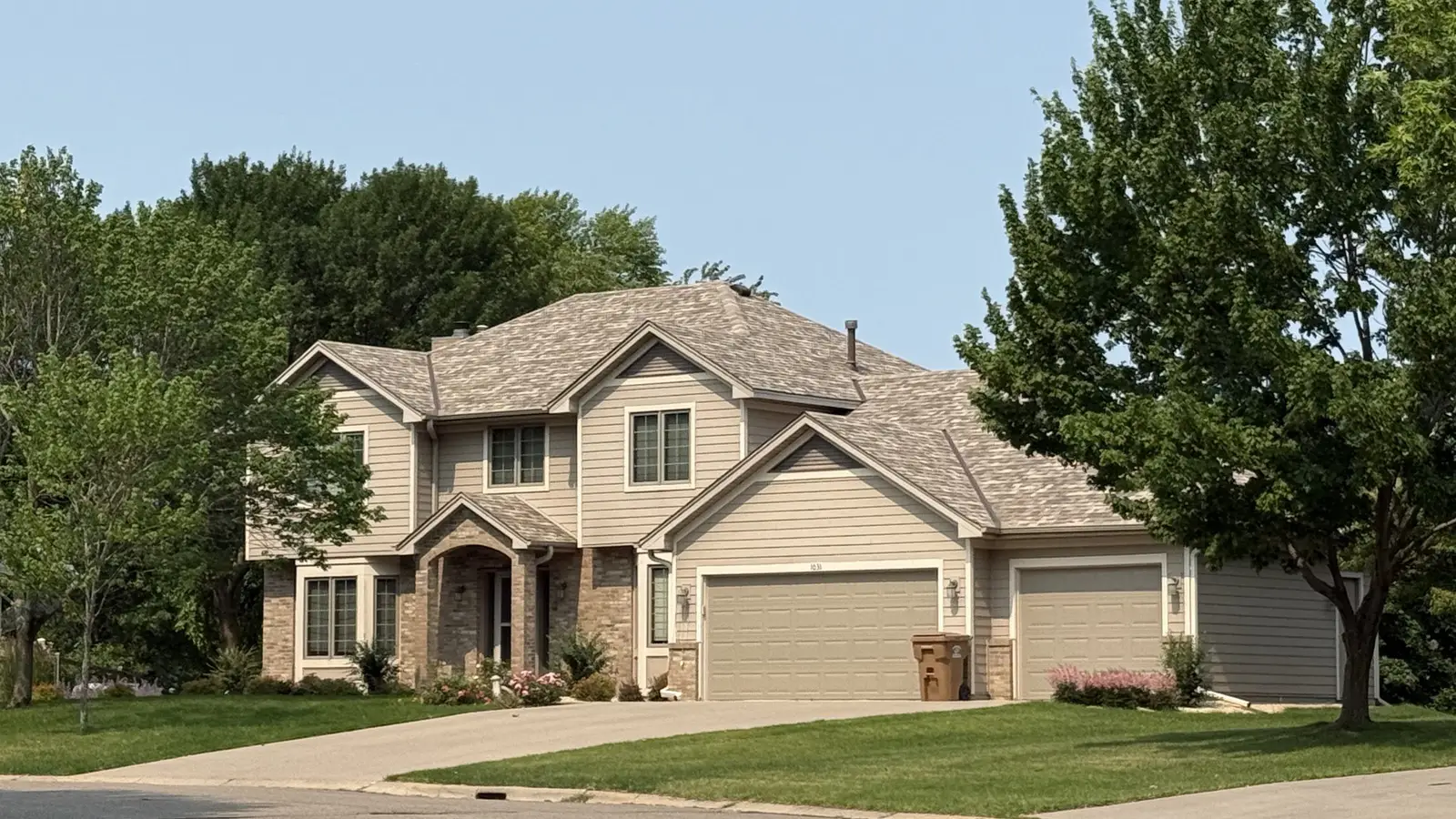
Here is the order I would actually work in, and roughly when each piece happens.
Twelve Weeks Out: Have Someone Walk It Before You Spend
This is the one that saves the most money and the one people skip most often, because having an agent walk a lived-in house feels like an inspection of your housekeeping. It is not. It is an hour that tells you which of your projects are worth doing.
The alternative is the version I see constantly: eight months of work, then I walk through and tell you that two of those projects did nothing for the sale price, one will be questioned because of how it was finished, and the thing that will actually cost you at the negotiating table is something nobody looked at twice. By then the money is spent and the calendar is shorter.
Ten Weeks Out: Do the Short List, Not the Long One
The short list is genuinely short. Paint, floors, the garage door, the front door, fixtures and hardware, edges and landscaping, then a deep clean. That is most of it.
What is not on the list: a kitchen, a bathroom, a finished basement, or a working furnace replaced on the theory that buyers will pay for it. They will not. They will pay for it not being a problem, which is a much smaller number.
Eight Weeks Out: Settle the Price Question Before Anything Else
Price is not a number you pick at the end. It is the decision everything else hangs on, and it deserves a conversation well before the sign goes up.
The version of that conversation worth having is not "what is my house worth." It is "what will we do if the market disagrees, and at what point." Agreeing that rule in advance, when nobody is emotional, is worth more than any individual pricing opinion.
Six Weeks Out: Photos, After the Work
Photos come after the work and after the deep clean, not before, and not in the same week you are still painting. This sounds obvious and it is violated constantly, usually because a listing date got set first and everything else got compressed to fit.
Your photos are the showing. Ninety percent of buyers see them before they see your house, and a meaningful share never see the house because of them.
Four Weeks Out: The Three Blaine Facts That Change Your Listing
This is where a Blaine sale stops being a generic sale. Three things here that do not apply in most suburbs:
Your school district is not obvious. Blaine is split across three districts and the boundaries do not follow the logic newcomers expect. Buyers will check, and getting it wrong in your listing sheet is the kind of error that unwinds a deal late.
Highway 65 is under construction until 2030. If you are near 105th or Radisson, that is now a fact about your listing, not a background detail. It is manageable and it is not a reason to panic, but it has to be handled deliberately rather than hoped past.
Old Blaine and new Blaine sell to different buyers. A 1978 split-level on a mature lot and a 2015 two-story in a newer subdivision are not competing for the same person, and pricing one off the other is how sellers end up confused about why nobody is coming.
Listing Week: What the Market Is Actually Doing
The numbers matter here because they set expectations. In August, the median Blaine sale was $398,000, up 1.8% year over year, at $199 per square foot. Homes took a median of 25 days.
Two things follow from that. Twenty-five days is a normal, healthy market, not a hot one, so anything priced on 2021 assumptions will sit. And across Minnesota sellers still received 98.3% of original list price on average, 99.1% in the metro, which tells you the typical well-priced house is not getting beaten up. The discounts are concentrated in the listings that sat.
The First Two Weeks Decide Most of It
If your house is going to sell quickly and near full price, it will almost certainly happen in the first fourteen days. That is when your listing is new to everyone watching, and it is the only period where your price is being judged rather than your patience.
After that, days accumulate and the conversation changes. Buyer agents check days on market before they advise on an offer. A house at 45 days does not get the same first offer as the identical house at six days, and nothing about the house changed.
Which is why the decision rule from week eight matters. A home that adjusts once, early and meaningfully, usually gets a second look. A home that drops five thousand every three weeks teaches buyers to wait.
If You Are Buying as Well
Most Blaine sellers I work with are not just selling. They are moving up, and the sale is the awkward half of a two-sided trade.
Worth knowing right now: Minnesota inventory is at a seven-year high, which makes the buy side of that trade the most favourable it has been since 2017. If you give up a little on the sale and gain more on the purchase, you are ahead. Judge the move, not the listing.
The Whole Thing on One Page
| When | What happens |
|---|---|
| 12 weeks out | Walk-through before you spend a dollar |
| 10 weeks out | The short list of work, in order |
| 8 weeks out | Price conversation and the decision rule |
| 6 weeks out | Deep clean, then photos |
| 4 weeks out | District, construction and buyer-type checks |
| Listing week | Live, with expectations set to the actual market |
| Weeks 1-2 | The window where most good outcomes happen |
Two things are worth saying plainly about that table. It compresses if it has to. Plenty of people list in three weeks rather than twelve and do fine, particularly when the house is already in good shape.
But the order does not compress. You can shorten every step and still come out well. Rearrange them, and you pay for it.
If you are somewhere in this timeline and not sure which step you are actually on, send me your address and roughly when you want to be moved. I will tell you where I would start, which is usually further back and cheaper than people expect.