
Home › Buying
Buy the right house at a payment you chose.
We start with what the next home has to do for you and what you can comfortably spend. Then we search, decide, and write offers with that in mind, so you're not guessing when the right one comes up.
A conversation about what you need, your timing, and what would make a move worthwhile.

Where buyers usually are.
-
You've outgrown the house.
You need another bedroom, a real office, or a yard that works. You know what's wrong with this house, and you want to be sure the next one actually fixes it.
-
You have to sell before you can buy.
Your equity is in the house you live in. The order you sell and buy in shapes how strong your offer can be.
Selling and buying together -
You're moving to the North Metro.
You know the job or the family that's bringing you here, but not the cities, the commutes, or how one part of town differs from the next.
Relocating to Minnesota
The decisions we'll work through.
None of these are about a specific listing. Settling them first makes every showing faster and every offer clearer.
- What the next home has to fixThe two or three things that would make the move worth it, and what each of you is willing to trade for them.
- The payment you're comfortable withWorked back from your budget, not from the most a lender will approve. The approval is a ceiling, not a target.
- WhereCommute, lot size, the age of the homes, and how each city handles taxes and growth. Descriptions of places, from someone who lives here.
- Which tradeoffs you'll acceptA bigger lot or a shorter drive. A finished basement or a newer kitchen. Naming them early keeps you from relitigating them at every showing.
- How strong to make the offerPrice is one part. Financing, timing, and conditions often matter as much to a seller.
- When to walk awayWhat an inspection finding would have to be for us to renegotiate or let the house go.
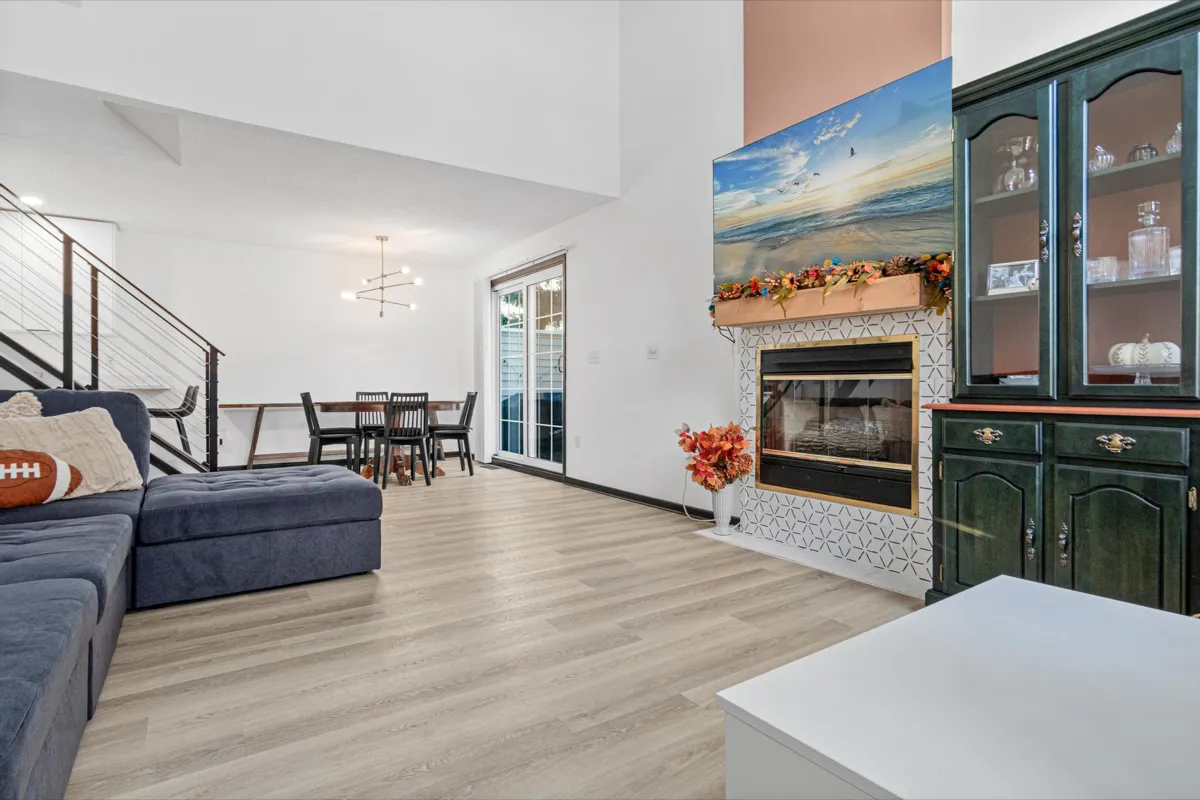
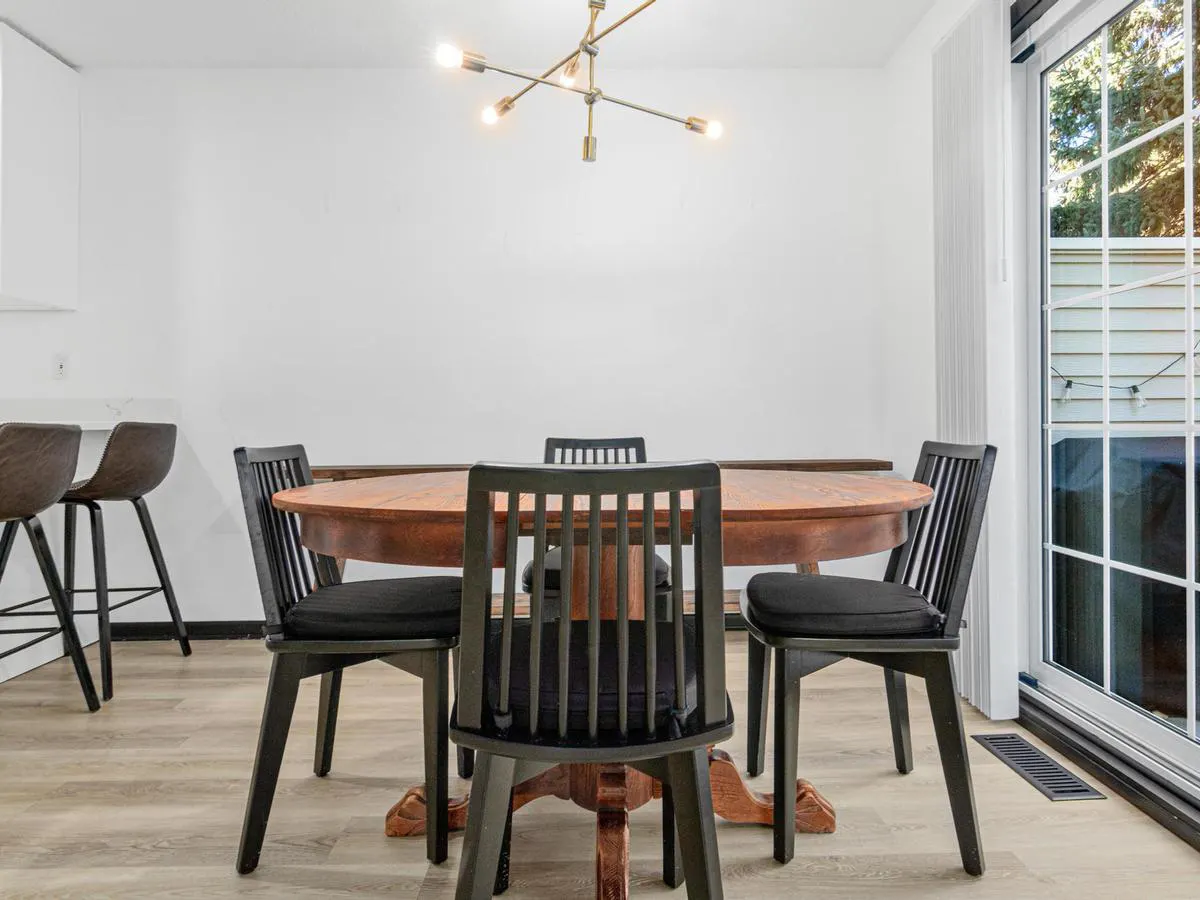
What I look at on a showing.
Listing photos show finishes. Living in a house is about how it works on an ordinary Tuesday. When we tour, these are the things I point out.
- How the layout works on a busy morningWhere breakfast happens, whether you can see the living room from the kitchen, and how far the bedrooms are from each other.
- Where people gatherMost households end up in one or two rooms. Those rooms should be the best ones.
- The entry and the garageWhere shoes, bags, and sports gear land. A good drop zone makes every day a little easier.
- Storage and the lower levelUnfinished space is storage today and room to grow later. Finished space should be judged like any other room.
- The next ten yearsRoof, windows, furnace, and water heater. What the age of the house means for what you'll spend after you move in.
What working with me looks like.
Understand your priorities
What has to change, what you can comfortably spend, and when you'd want to move. If you're also selling, we look at both sides together.
Build your plan
The areas, the price range, and the tradeoffs, written down. A lender conversation early, so you know what you can offer before you need to.
Coordinate your move
Tours that fit your schedule, offers written for the specific seller, then inspection, appraisal, and closing.
You'll know what needs your attention, what I'm handling, and what comes next.
Writing an offer a seller takes seriously.
When several buyers want the same house, the highest price doesn't always win. A seller is also asking which offer is most likely to close, and when.
So before we write, I talk to the listing agent to learn what matters to the seller: timing, certainty, or the number. Then we put the strength where it counts and stay reasonable everywhere else, because the inspection and the appraisal still need the seller's side to say yes again.
He negotiated on our behalf and succeeded in preventing a bidding war. We got the house even though there were four other offers.
Questions buyers ask first.
Do we need to be pre-approved before we start looking?
It helps to talk to a lender early. A pre-approval tells you the most you could borrow, and most sellers expect one with an offer. We use it as a ceiling and work out the payment you're actually comfortable with separately.
How does paying a buyer's agent work now?
Before we tour homes together, you'll sign a written buyer representation agreement. It spells out how I'm paid. In many sales the seller pays some or all of it, and we can ask for that in an offer, but it isn't guaranteed. I'll walk you through the agreement line by line before you sign anything.
Can we make an offer if we still need to sell our house?
Yes. That's called a contingent offer: you buy theirs only if yours sells. It can work, but it's usually weaker against offers with nothing to wait on. We look at whether selling first, buying first, or doing both at once would put you in a better spot. More on contingent offers
What if the inspection turns something up?
Most inspections find something. We separate the routine items from the ones that change the value of the house, then decide together whether to ask for a repair, a credit, or a price change, or to walk away if the agreement allows it.
More reading: the move-up buyer checklist, Blaine neighborhoods compared, and the Blaine to Minneapolis commute.

Let's talk through your move.
Tell me what the next home has to do and when you'd like to move. I'll tell you what I'd look at first. About 45 minutes, nothing to sign, and no pressure to buy.