
I was driving past Carol's on my way up to Ham Lake for a showing this past weekend. "Outlaw Overture" by MGK was pumping through the speakers and the volume was cranked to a reckless level. I like living life on the edge, what can I say. Just then, my phone rang. I looked at the caller ID: a friend from my time as a coach at CrossFit Southpaw.
I slid my thumb across the phone to answer. He told me that their family was planning to sell their home in spring 2027. Their current house had gotten too small and they needed to find something bigger.
Then he said the thing almost everyone says. He wanted me to come over and give them an idea of what it would sell for. Not yet, though. He had a few projects to get through first, and he wanted the house ready before I saw it.
I told him to have me over now. Before he spends a dollar.
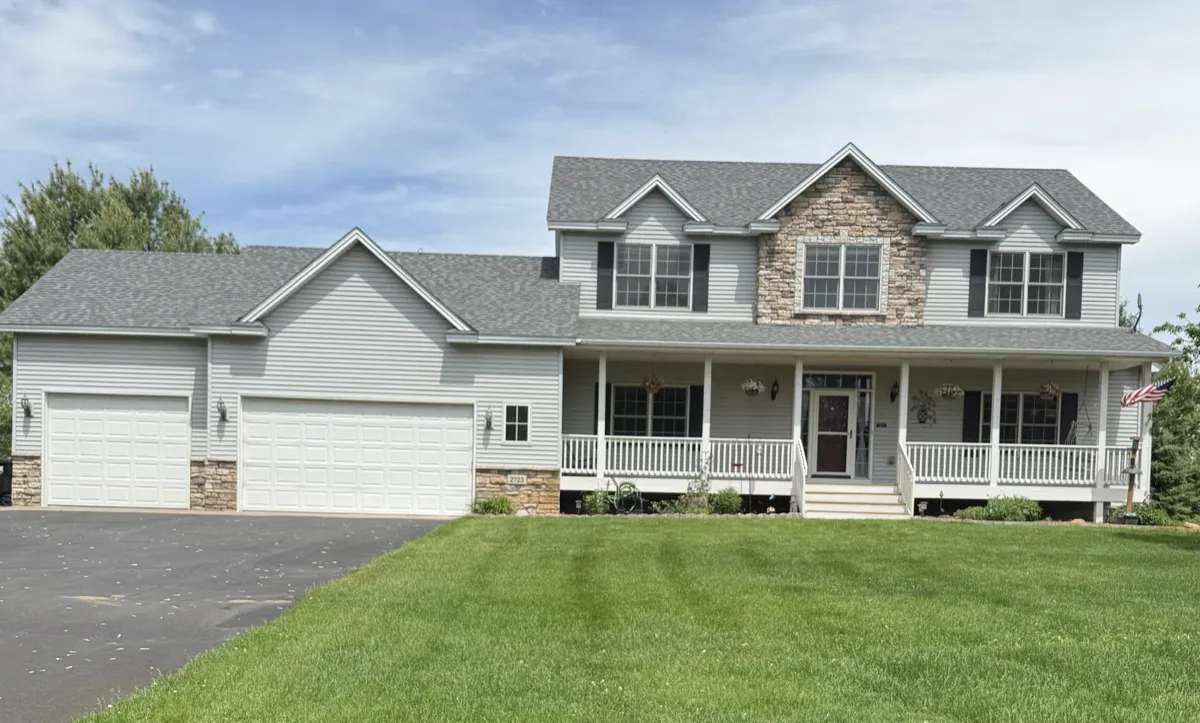
Have Someone Walk It Before You Start Spending
That instinct to tidy up before the agent arrives is a good one. It is also backwards, and it is the single most expensive habit I see in people who are otherwise careful with money.
Here is what actually happens. You spend eight months and a chunk of savings on the projects you assumed mattered. Then I walk through and tell you that two of them did nothing for the sale price, one of them you will be asked to redo because of how it was finished, and the thing that will actually cost you at the negotiating table is something you never looked at twice. By then the money is gone and the calendar is shorter.
Nobody is embarrassed to have a contractor walk an unfinished house. Somehow having an agent walk a lived-in one feels different. It should not. I am not there to grade your housekeeping. I am there to tell you which of your projects are worth doing, and that list is almost always shorter than the one in your head.
The visit is free and it takes an hour. Doing it first is the difference between spending money on the right things and finding out afterward.
And what I tell almost everyone on that visit is the least popular advice I give, and the advice I am most confident about. If you are selling in 2027, you need to do less than you are planning, not more.
The Conventional Advice Is Backwards
The standard version goes: update the kitchen, redo a bathroom, maybe finish the basement, then list high. It feels right. It is how the shows work. And it is mostly wrong, because it confuses two different things. Renovating makes a house nicer to live in. Preparing makes a house easier to buy. Those overlap less than people expect.
The industry actually measures this. Zonda publishes an annual Cost vs. Value Report covering 28 projects across 115 markets, built from contractor cost data and surveys of real estate agents about resale value. The 2025 edition is blunt about the pattern: eight of the top ten projects by cost recovered are exterior replacements, not interior renovations.
What the Numbers Actually Say
Here are the top of that list, national averages, cost recovered at resale:
- Garage door replacement. $4,672 spent, $12,507 in resale value, 267.7% recovered. First place.
- Steel entry door replacement. $2,435 spent, $5,270 value, 216.4%.
- Manufactured stone veneer. $11,702 spent, $24,328 value, 207.9%.
- Minor kitchen remodel. $28,458 spent, $32,141 value, 112.9%.
Read that last one carefully, because it is the one that changes minds. A minor kitchen remodel returns about 113%. That is a real return. It also costs $28,458 to find out. The garage door costs under five thousand and returns more than twice its cost.
Interior work is measured separately, in the Remodeling Impact Report from the National Association of Realtors and NARI. Refinishing hardwood floors came out at 147% cost recovered, roughly $3,400 spent against $5,000 of value. New wood flooring came in at 118%. An insulation upgrade landed at 100%.
So the two highest returning things you can do to a house are replace the garage door and deal with the floors. Neither is a renovation. Both are maintenance that had been deferred.
The Awkward Note About Paint
Paint is the first thing I tell almost every seller to do, and I want to be straight with you: I cannot show you a cost recovery percentage for it, because the major reports do not publish one. Cost vs. Value does not track it. The Remodeling Impact Report scores interior painting on satisfaction rather than resale.
What I can tell you is what happens in showings. Fresh neutral paint is the cheapest way to change how a house reads, it removes the single most common objection I hear on feedback calls, and it is the one thing buyers reliably notice without being able to name. A few thousand dollars, sometimes less if you are doing it yourself, against a kitchen at forty. Take the paint.
The List I Would Actually Work Through
If you are selling in 2027, here is the order I would go in.
Paint, inside. Neutral, and all of it, not the one room that bothers you. Patchwork paint reads worse than old paint.
Floors. Refinish before you replace. If you have hardwood under carpet, that is usually the highest return move available to you, and people forget it is there.
The garage door. The best measured return of any project on the list, and most buyers see it before they see anything else. If yours is dented, mismatched, or original to a 1990s build, replace it.
The front door. Second best on the list. A steel replacement is a couple of thousand dollars.
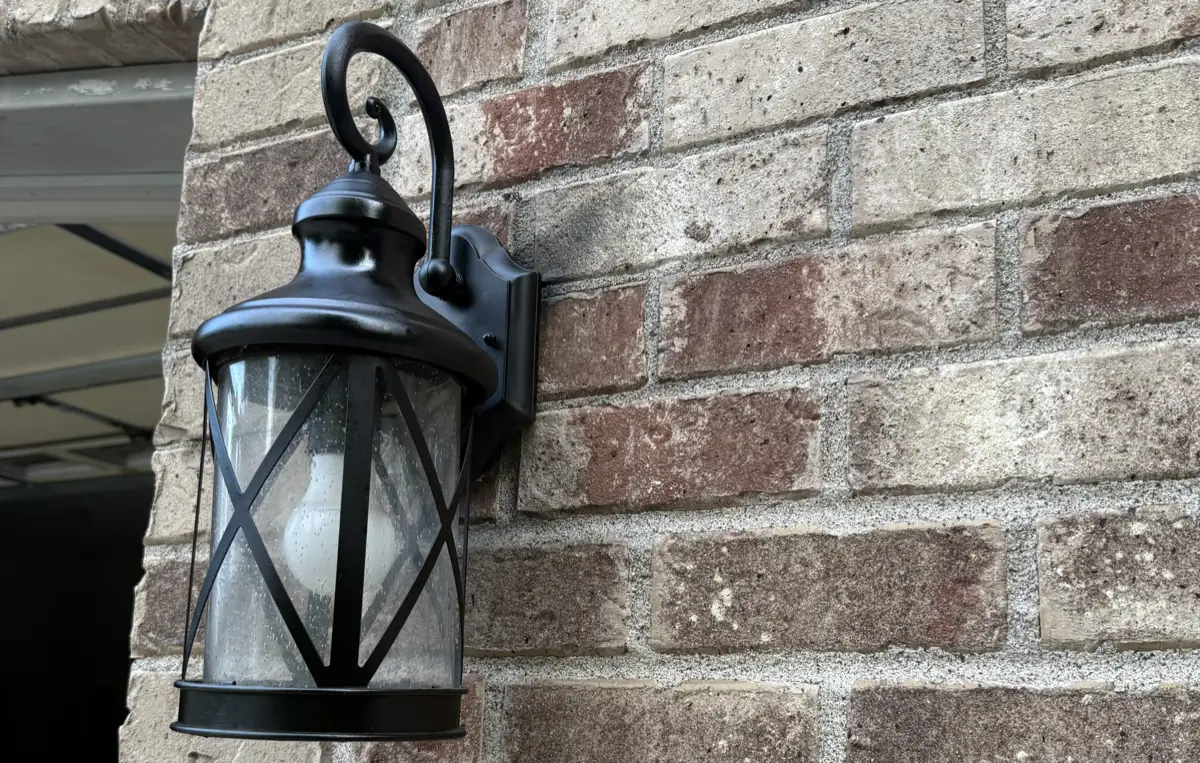
Fixtures and hardware. Exterior lights, house numbers, the mailbox, cabinet pulls, dated ceiling fans. Individually trivial. Collectively they are most of what people mean when they say a house feels updated.
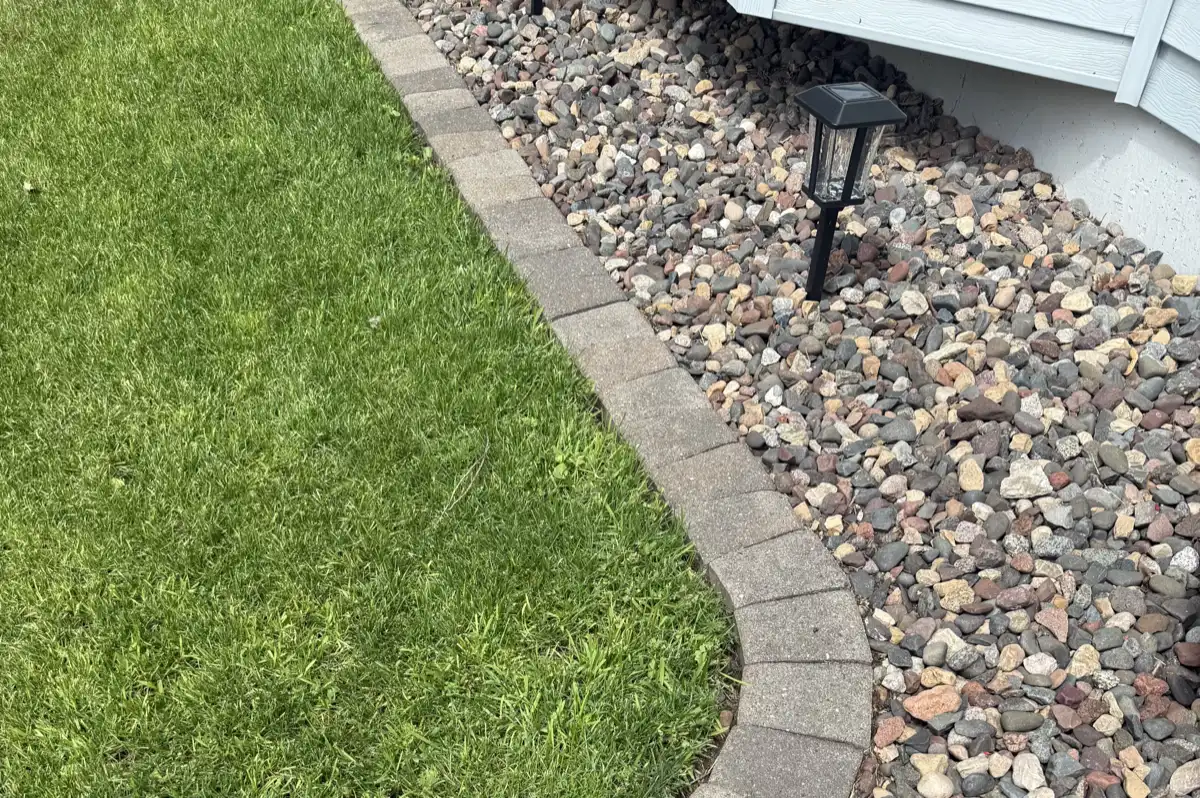
Landscaping and edges. Not a redesign. Cut edges, fresh mulch, trimmed shrubs, nothing dead. This is the cheapest work on the list and it sets the tone before anyone is through the door.
Deep clean and declutter. Last on the list and first in impact per dollar. Nobody has ever recovered less than 100% on a weekend of removing half their furniture.
What I Would Not Do
I would not renovate a kitchen or a bathroom to sell. If you want a new kitchen because you will enjoy it for two more years, that is a fine reason and a different conversation. Doing it to recover the money at closing is a bet the data does not support.
I would not finish a basement for resale. I would not add a room. And I would not fix something invisible and expensive, like replacing a furnace that still works, on the theory that buyers will pay for it. They will not. They will pay for it not being a problem, which is a much smaller number.
There is a version of this where you spend forty thousand and add thirty. I have watched people do it. They are not careless, they were told the wrong thing by someone who genuinely believed it.
Where These Numbers Come From, Honestly
Two caveats, because I would rather you trust the argument than the decimal places.
These are national averages built from agent surveys, not promises about your address. Zonda notes the strongest overall returns came from the Pacific and West South-Central regions, so Minnesota will not track the national figure exactly. And the garage door number moved sharply between report years, which is a good reason to treat 267.7% as directional rather than a promise.
The interior figures come from an older edition of the Remodeling Impact Report, so read them the same way. What holds across every version of both reports, year after year, is the ranking rather than the decimals. Replacement beats renovation. Outside beats inside. Cheap beats expensive.
Why 2027 Is the Right Time to Ask
Everything on my list is boring, and boring work has a scheduling advantage: you can do it slowly, in the right season, for a normal price. Exterior paint and landscaping want warm months. Floor refinishing wants an empty house, which is easier a year out than a week before photos. Contractors quote better when you are not in a hurry.
Do this over eighteen months and it is a series of Saturdays. Do it in the six weeks before listing and it is a panic, at emergency rates, and you will skip half of it.
That is the actual reason to start now. Not that the work is large. That doing small work calmly is much cheaper than doing small work urgently.
Start Here
Walk up to your own house from the street, the way a buyer would, and stop at the door. Whatever you notice in those thirty seconds is your list, and it is probably shorter and cheaper than the one in your head.
Then do what my friend is doing. He is having me over in a couple of weeks, before the projects rather than after, and we will go room by room and sort his list into what is worth the money and what is not. He will almost certainly leave that conversation with a shorter list and more of his savings.
If you are somewhere in the same place, send me your address and roughly when you are thinking about 2027. I will tell you what I would actually spend money on, and more usefully, what I would leave alone. That hour costs nothing, and it is a lot cheaper than a kitchen.