
A seller once told me they were about to spend twenty-two thousand dollars remodeling their kitchen before listing. I asked them one question: would they still enjoy that kitchen if they had to live in it for another two years. They said no, they just wanted to sell it faster. I told them to save the money. We priced the home correctly instead, and it sold in nine days without a single upgrade.
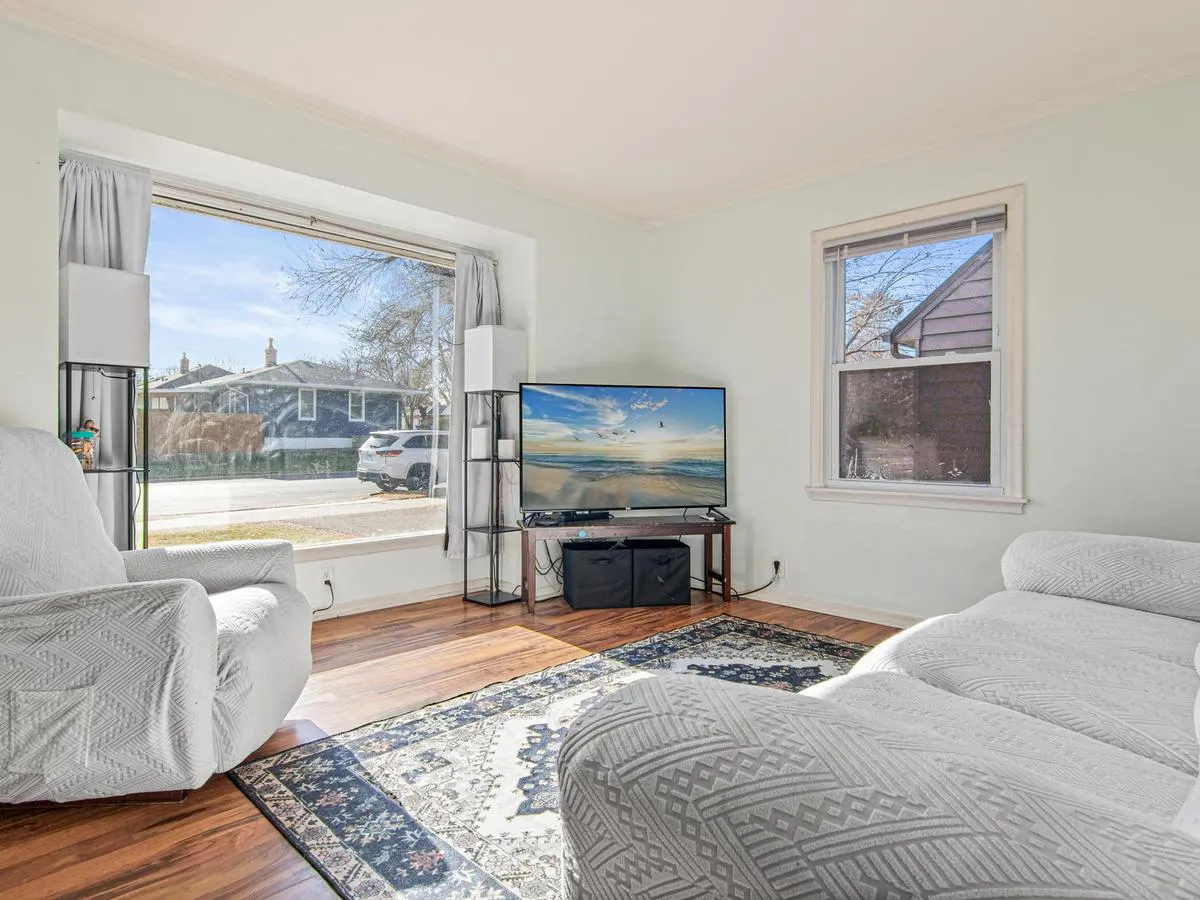
Think Like the Buyer, Not the Seller
The single biggest mindset shift sellers need to make is this: you are not renovating for yourself anymore. You are preparing a product for a stranger who will judge it in the first ninety seconds of walking through the door. That distinction changes everything about where your money and energy should go. Sellers who keep making decisions based on what they personally would enjoy end up overspending on the wrong things and underspending on the things that actually move buyers.
The High-ROI Short List
Fresh paint in neutral tones is still the highest return you can get for the lowest cost. It is not glamorous advice, but it works because it lets buyers picture their own life in the space instead of picturing yours. Fixture updates, meaning swapping dated hardware, light fixtures, and faucets for something current, punch well above their cost. Curb appeal, mulch, trimmed hedges, a clean front door, a pressure-washed driveway, sets the tone before a buyer even steps inside. And a genuinely deep clean, professional grade, not a weekend tidy-up, changes how a buyer perceives the entire home's condition.
None of this is expensive. All of it moves the needle.
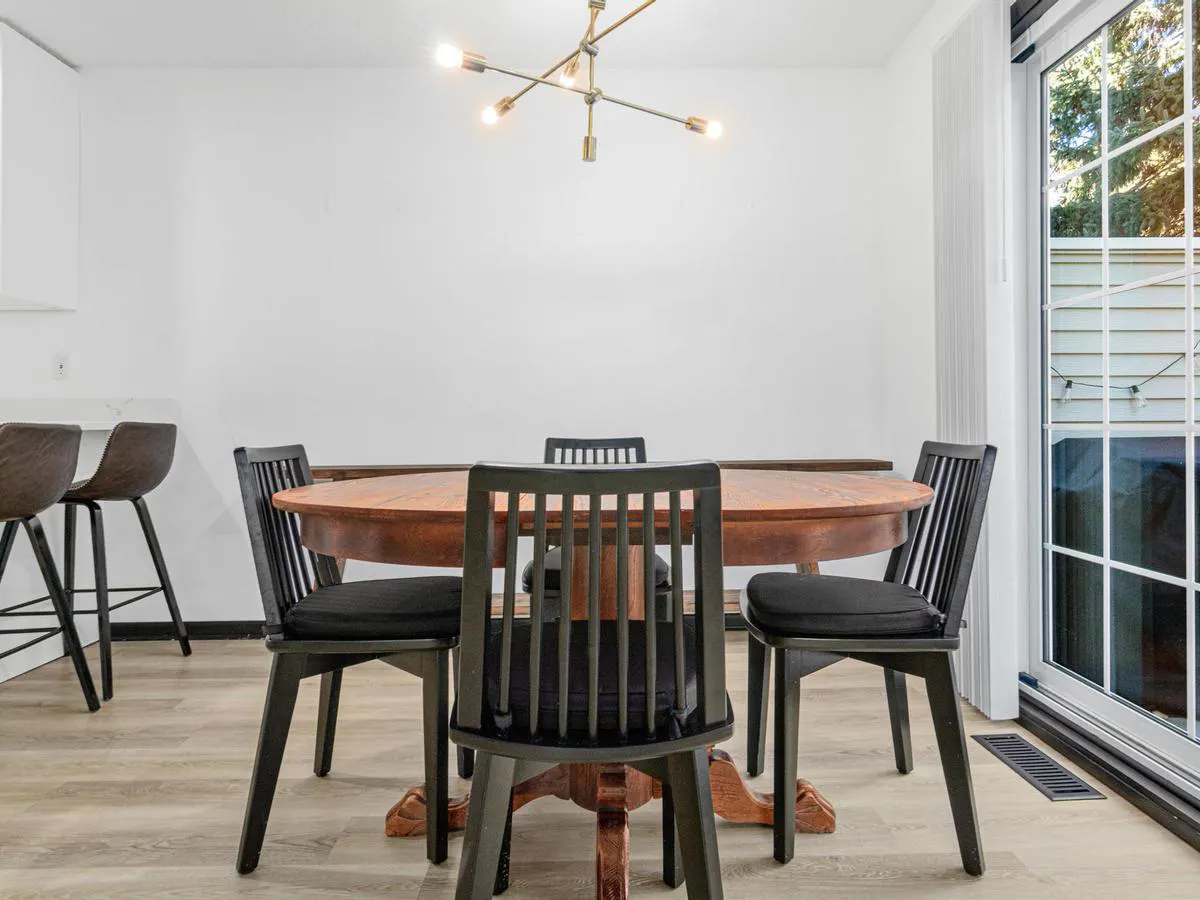
The Medium-ROI Middle Ground
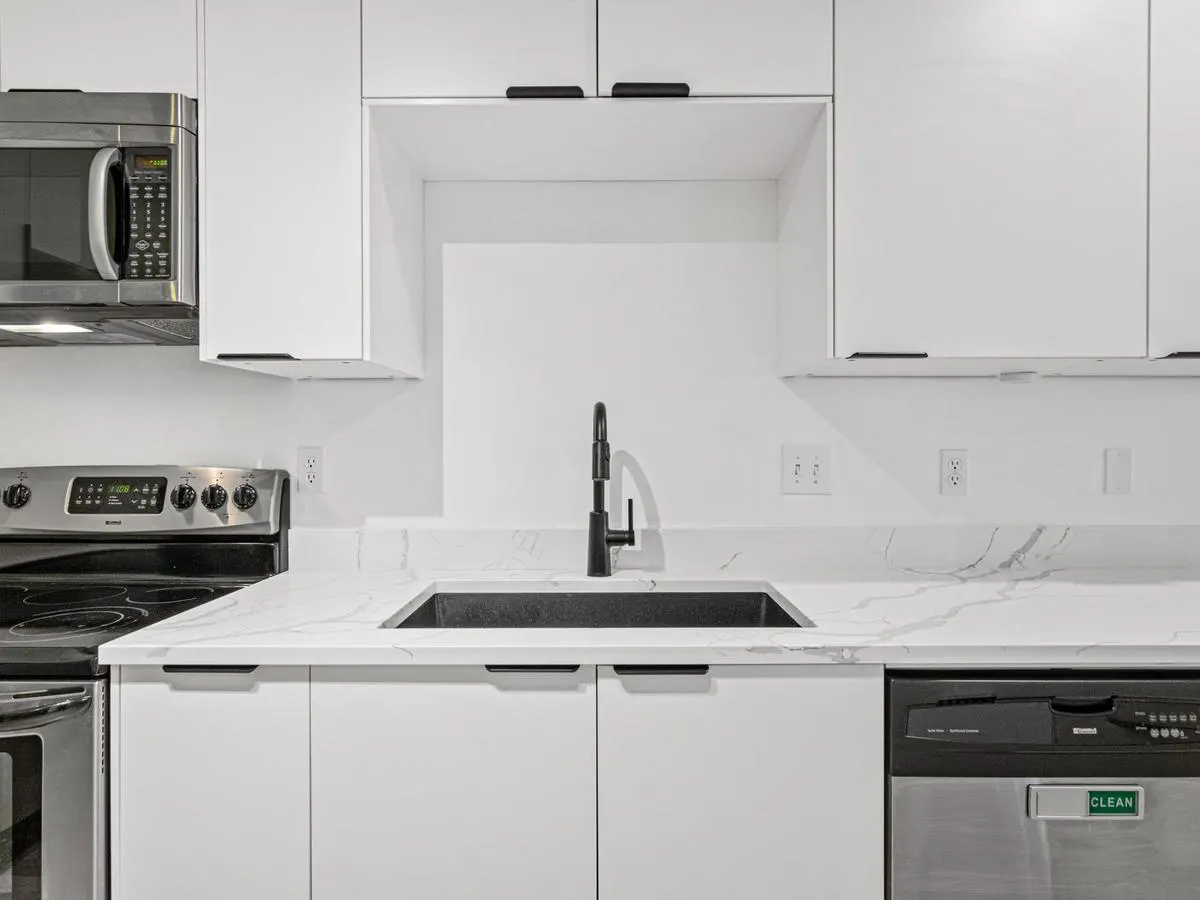
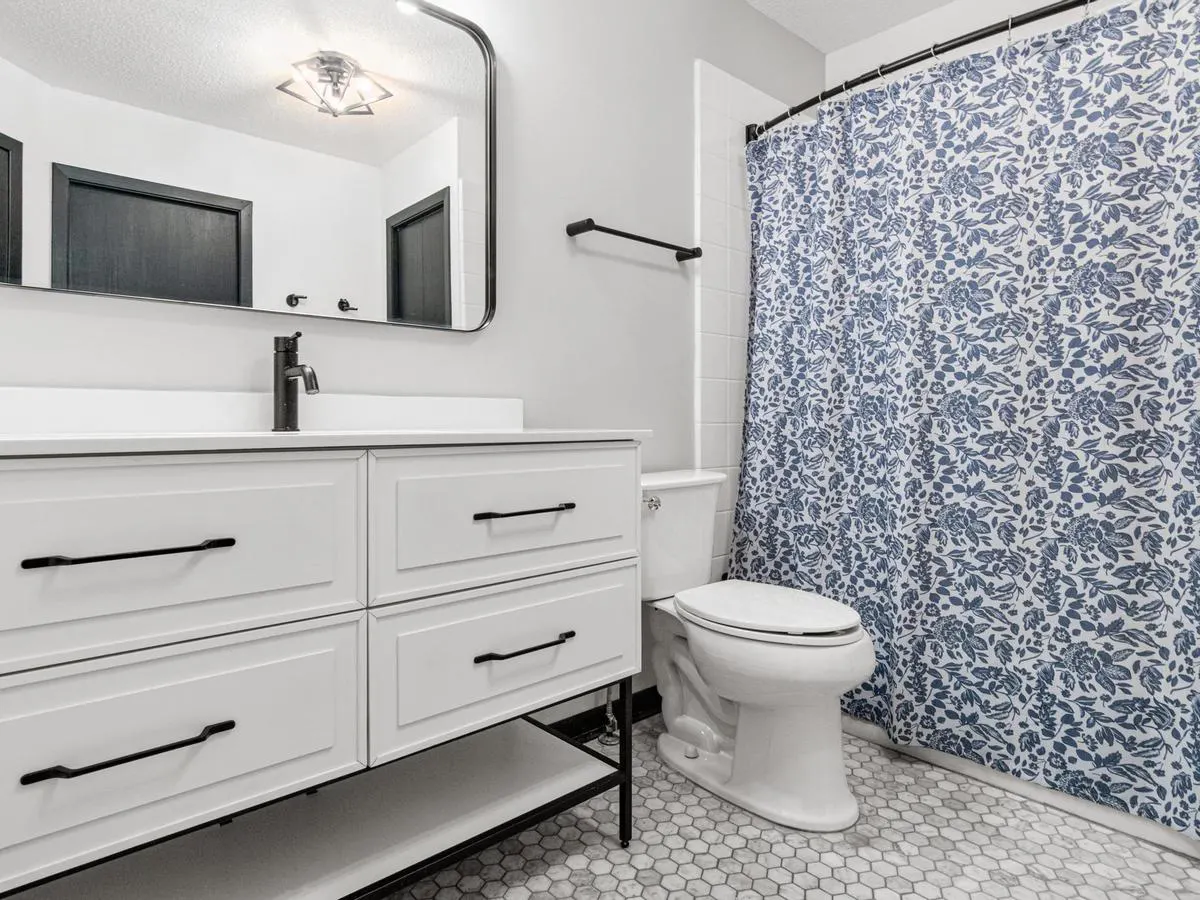
A kitchen refresh, meaning new hardware, paint or refacing on cabinets instead of a full gut job, and updated countertops if the budget allows, can make sense in homes where the kitchen is clearly the weakest link compared to the rest of the house. Bathroom updates in the same spirit, refreshing rather than rebuilding, fall into this category too. These are worth considering when a specific room is dragging down the whole home's perceived value, but they require an honest conversation about whether the return justifies the spend given your specific price point.
What Not to Touch
Full remodels almost never pay back their cost at resale, especially when a seller is doing them purely to sell rather than to actually enjoy the upgrade themselves. Pools are a liability in this climate more often than an asset, adding maintenance concerns for buyers rather than value.
And over-improving for your neighborhood, meaning installing finishes and features priced well above what comparable homes on your street support, is one of the most common ways sellers quietly burn money without realizing it. The market does not reward you for having the nicest house on the block. It caps you at what the block will bear.
Inspection Strategy
Buyers in this market are educated and their agents are thorough. Trying to hide a known issue rarely works and almost always costs you more in negotiation leverage than it would have cost to disclose and address upfront. My general rule: fix anything safety related or anything that will show up clearly on an inspection report and spook a buyer, and disclose everything else honestly with documentation. A seller who is transparent tends to negotiate from a position of strength, because the buyer trusts what they are being told about the rest of the house.
Nick's Pre-Listing Checklist
Before you list, walk through this: fresh neutral paint where needed, updated fixtures and hardware, a deep professional clean, real curb appeal work, minor repairs addressed, and an honest look at anything that would come up on inspection. That is the list. Not a full renovation. A focused, strategic prep that gets you the most return for the least spend.
What to Budget
For most homes in the Blaine price range, a realistic prep budget lands somewhere between two and six thousand dollars, covering paint, cleaning, minor fixture updates, and curb appeal. That is a fraction of what a full remodel would cost, and in a market where correctly prepared, correctly priced homes are moving fast, it is usually all you need.
Before you spend a dollar on prep work, let's walk your home together and figure out exactly where that money should go, and just as importantly, where it should not. That conversation alone often saves sellers thousands.