
Home › Selling
Most of a sale is decided before the sign goes up.
What you fix, what you leave alone, what you list at, and when you go live. I settle those with you first, in writing, so the first two weeks on the market work for you. If you're buying your next home too, the sale is planned around it.
A conversation about your home, your timing, and what you'd walk away with.
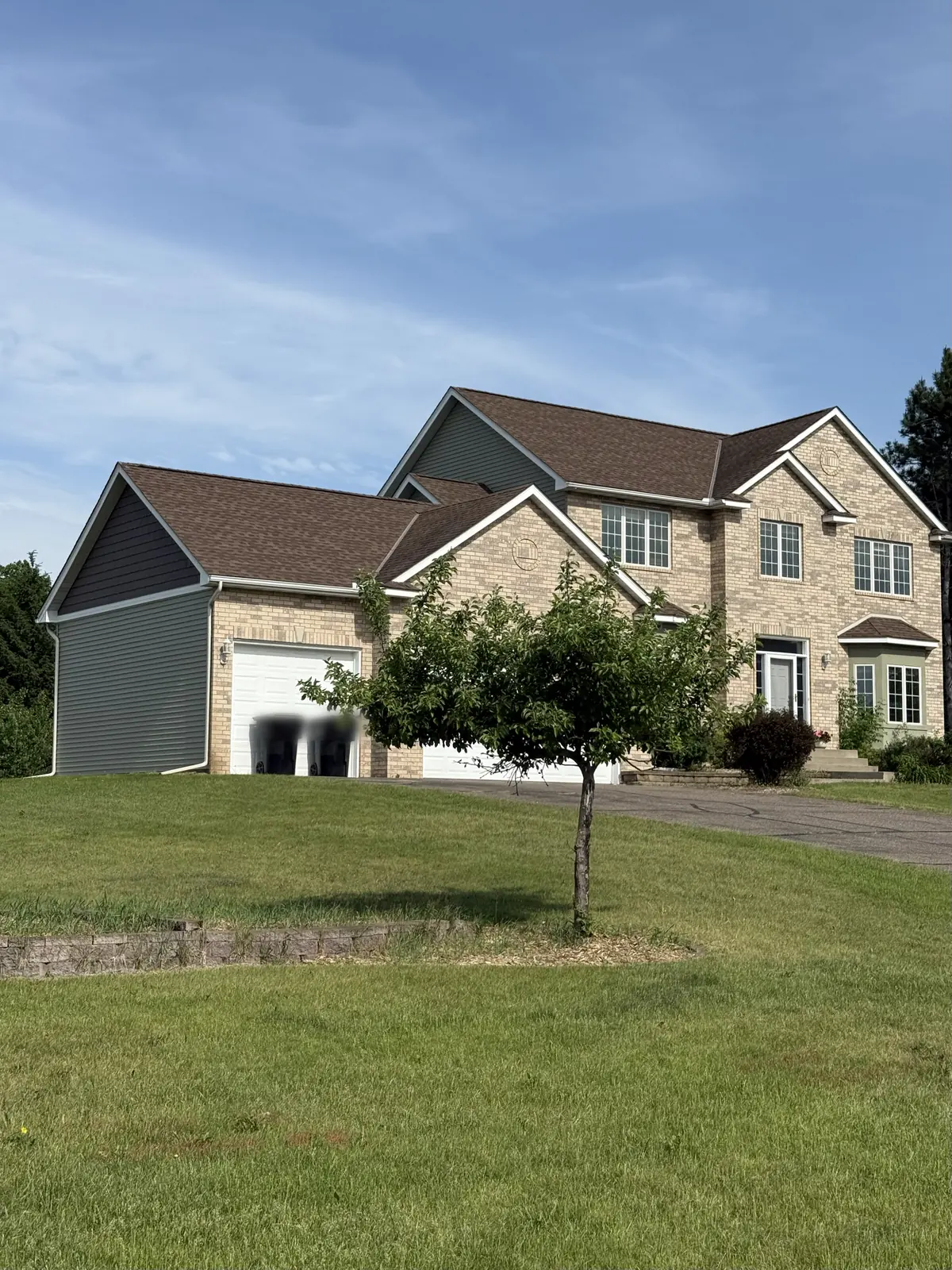
Where sellers usually are.
-
You're moving up.
Your equity is the down payment on the next home, so the sale has to be planned around the purchase, not after it.
Selling and buying together -
You've been in the house a long time.
You know every quirk, and you're not sure which ones a buyer will care about. You want to fix what matters and skip what doesn't.
-
You want a straight read on price.
Online estimates disagree, and the neighbors' sale doesn't quite match your house. You want a number you can defend and a plan if the market disagrees.
Three documents before we list.
Each one settles a decision before it costs you anything: what to fix, what to list at, and what you'd walk away with.
- The listing planWhat sets your home apart, the prep list in the order the work should happen, rough costs, a few local companies to call, and a target weekend to go live.
- The price strategyWhat similar homes sold for, the listings a buyer will compare yours to this month, and where to price so the right buyers actually see it.
- The net sheetWhat you would walk away with after selling costs, preparation, and paying off the loan. I estimate it low on purpose, so surprises land in your favor.
Nothing in them is locked. You read them, push back, and make the call.
What working with me looks like.
Understand your priorities
When you need to move, what the sale has to fund, and what you'd rather not spend on. If you're buying too, we plan both sides together.
Build your plan
The walkthrough, then the listing plan, price strategy, and net sheet, written down so you can push back on any of it.
Coordinate your move
Prep, photos, going live, showings, offers, inspection, and closing, timed around your purchase and your schedule.
You'll know what needs your attention, what I'm handling, and what comes next.
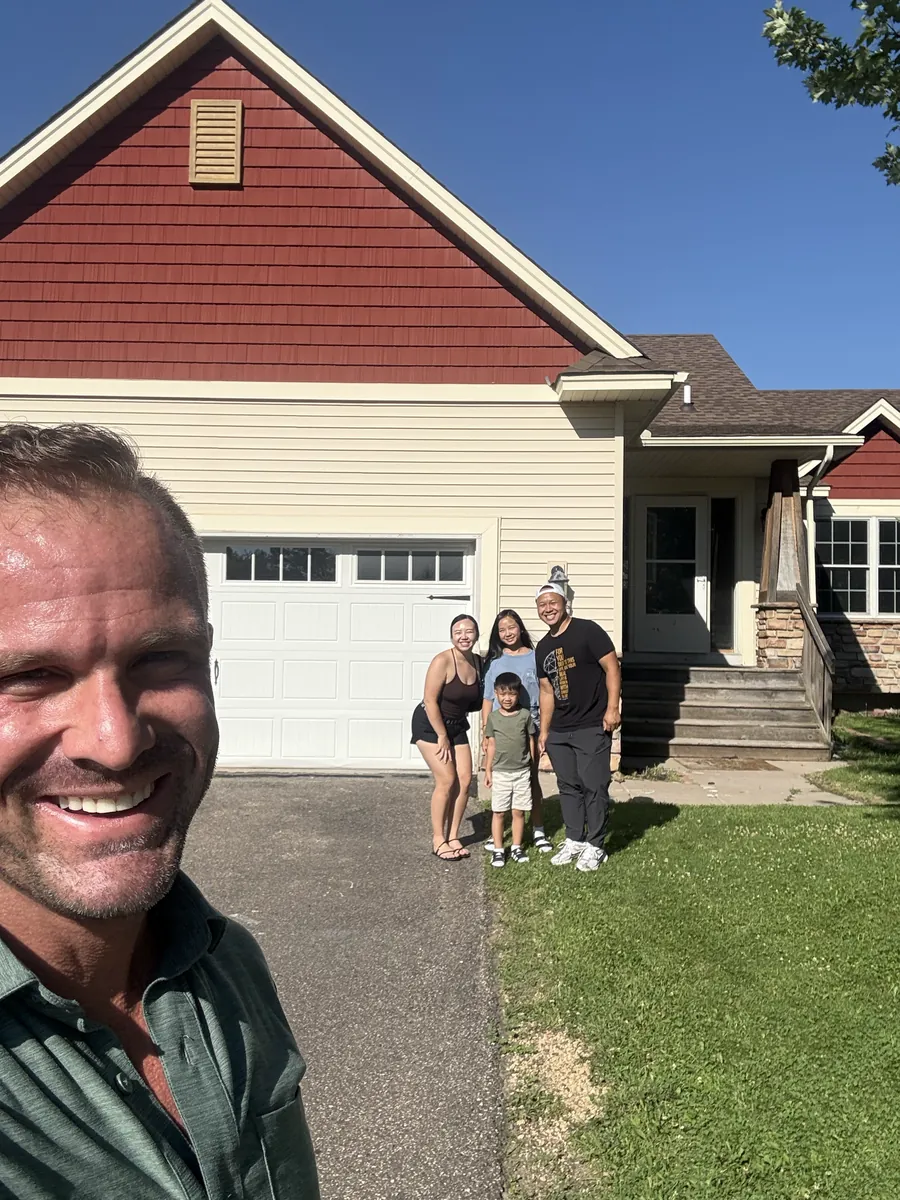
It starts with a walkthrough.
We walk the house together. You show me what you've done and what you're proud of, and I note what a buyer will notice in the first minute. Then the work happens in an order that keeps you from paying for anything twice.
Outside first
Deck, stain, or exterior paint, while the weather allows.
Tighten up the yard
Trim, mulch, and pull weeds. Not a landscaping overhaul.
Floors that catch the eye
Fix what a buyer will look down at and remember.
The stager, before the paint
A stager may suggest colors, so paint waits for that visit.
Paint, where it's needed
Usually a few rooms, not the whole house.
A deep clean, then photos
The clean happens right before the photographer, including a twilight shot when the exterior lighting is worth showing.
Spend where a buyer notices. Leave the rest.
Usually worth doing
- Curb appeal: the first photo and the first impression
- Repairs an inspector will write up anyway
- Worn floors in the main rooms
- Paint where a color or scuffs will stand out
Usually not worth it
- Finishing a basement before a sale
- A full repaint when a few rooms will do
- Replacing carpet that is in decent shape
- A remodel built to your taste, not the buyer's
Every house is different, so the listing plan names the specific items for yours, with rough costs.
Price for the comparison buyers actually make.
Buyers never see your house alone. They see it next to every other home in their search. So the price strategy answers three questions, in this order.
- What have similar homes sold for?Closed sales give a general estimate of what a buyer will pay.
- What will buyers compare it to?The homes for sale this month set where yours actually stands.
- Who will ever see it?Buyers search in round price ranges. A home listed at $474,900 never appears for someone searching from $475,000 up. Listing right on a round line puts it in front of both groups.
The goal is not to be the cheapest. It's for your home to be plainly the most house for the money when a buyer lines up the options. Pricing low on purpose isn't a trick either.
Before we go live, we also agree what we'll do if the market disagrees, and when. That decision is easier to make calmly, ahead of time, than three weeks in.
The first two weeks decide most of it.
Going live.
Your home goes live as Coming Soon on a Wednesday or Thursday. Coming Soon means agents and buyers can see the listing before showings start, so the first weekend opens with people already planning to come.
A new listing gets the most attention it will ever get. After two weeks, buyers' agents start asking why it hasn't sold, and the first offers get lower even though nothing about the house changed. So we watch the first two weeks closely.
- Steady showings opening weekendThe plan is working.
- Two weeks of showings, no offerThe feedback tells us whether it's price or presentation.
- Two weeks of few showingsIt's price, and we talk before the market decides for us.
He did an amazing job explaining the process and setting up our listing for success. Our home sold in just four days with multiple offers.
The best offer isn't always the highest number.
Price, financing, contingencies, and closing date all change what you walk away with and how likely the sale is to close. A contingency is a condition the buyer can back out on, such as an inspection or the sale of their own home. I lay the offers side by side on those terms, with what each one would net you.
Then I negotiate. Fiercely, not obnoxiously, because the inspection, the appraisal, and the closing all still need the buyer's side to say yes again.
He was strategic, thoughtful, communicative, and fully committed throughout. We always felt confident knowing he had our best interests in mind.
If you're buying your next home too.
Many sellers are buying their next home at the same time. If you are, the sale is planned around the purchase from the first conversation: whether you sell first, buy first, or do both on the same day, whether you need this home's money for the next down payment, and a closing date that lines up with the move.
Questions sellers ask first.
Do I need to stage my home?
Not always fully, but a stager walks through before anything gets painted. Sometimes that means furniture brought in. More often it means moving what you have, clearing surfaces, and a few small changes. The stager may also suggest paint colors, which is why paint waits for that visit.
What should I fix before listing?
The things a buyer notices in the first minute and the things an inspector will write up. Usually that means the exterior, the yard, worn floors, and paint where it is needed. Big projects like finishing a basement or a full remodel rarely return what they cost before a sale.
What happens if my home doesn't sell in the first two weeks?
We look at what happened. Plenty of showings and no offer means the feedback tells us whether it is price or presentation. Few showings means it is price. Either way, we agreed what we would do, and when, before the home went live, so it is a decision rather than a scramble.
Can I sell my home and buy the next one at the same time?
Yes. Selling first, buying first, and doing both on the same day each carry different risks. We compare them on your numbers before the home is listed, and the sale is timed around the purchase.
More on selling: How to sell a home in Blaine, week by week and what adds value before you list.

Let's talk through your move.
Tell me what's changing and when you'd want to move. I'll tell you what I'd want to know first. 45 minutes, nothing to sign, and no pressure to list.