
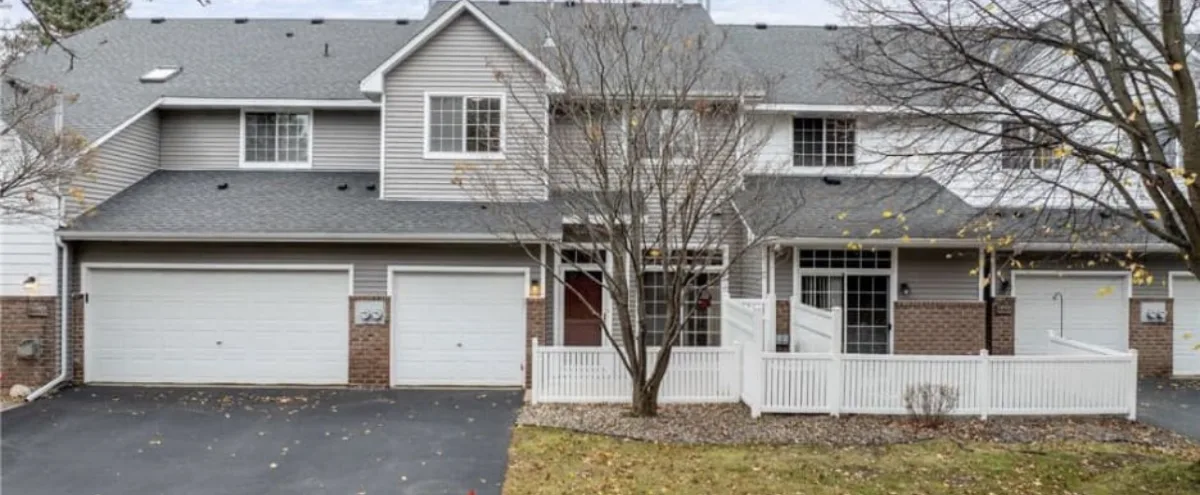
I sat at the couple's kitchen table last spring when the husband opened with the sentence I hear more than any other. We're not really ready yet, but. Between us was a printout of four listings they had already toured. Good houses. Wrong order. They had spent six weekends looking before anyone had told them what their townhome would actually sell for, which meant every number in their head was a guess. We spent ninety minutes on the math and they went home and cancelled two showings. That is not a setback. That is the first productive thing they did.
Why Preparation Is the Strategy
Touring houses feels like progress. It is the most visible part of buying, so it is where people start. But for a move-up buyer, the tour is the last step, not the first. You are running two transactions that have to connect, and the connection is decided by numbers you can work out before you ever open a lockbox.
Here is the checklist I walk families through. Ten items. Most of them take an afternoon, and together they decide whether your move is a plan or a scramble.
The cost of doing this out of order is rarely dramatic. It shows up as a slightly worse price, a rushed repair, a route you took because the other one closed while you were deciding. Small margins, several of them, all falling the same way.
Occasionally it is dramatic. Move-up buyers rarely lose a house because they bid too low. They lose it because the right house appeared on a Thursday and they needed nine days they did not have to get their house ready to list and figure out financing. Every item below exists to buy back those nine days.
1. Find Out What Your Home Is Actually Worth
Not the Zestimate. Automated estimates work off public records and recent sales, and they cannot see your finished basement, your new roof, or the fact that the comparable down the block backed onto a busier road than yours does. In a market with as much variation as Blaine, where a 1996 twin home and a 2019 build sit within a mile of each other, that gap gets wide.
Get a real opinion of value from someone who will walk the house. Everything downstream, your equity, your budget, your timeline, is built on this one number. Start it wrong and the whole sequence tilts.
2. Do the Equity Math Before You Talk to a Lender
Your equity is not your home value minus your mortgage balance. It is what you would walk away with after selling costs, any repairs you agree to, and the payoff. That figure is usually lower than families expect, and finding out at the closing table is a bad time.
Build the estimate the cautious direction. One hundred percent of the time it is better to plan conservatively on what comes in and liberally on what goes out. Being pleasantly surprised at the closing table costs you nothing. Being left with less money than you planned on costs you the house you were counting on it for.
Work it out on paper first. Then you walk into the lender conversation knowing your own numbers instead of asking them what you can have.
3. Get Pre-Approved, Not Pre-Qualified
These sound alike and are not. A pre-qualification is a conversation and an estimate. A pre-approval means a lender has looked at your documents and committed, in writing, to a specific amount subject to the property.
In a situation with more than one offer, a pre-qualification reads as a maybe. Sellers and their agents know the difference. If you are going to compete for a house, bring the version that carries weight.
Expect the lender to want two years of tax returns, recent pay stubs, and statements for whatever accounts your down payment is coming from. Gathering that takes an evening. Gathering it while a seller waits on your response takes a deal.

4. Separate the Non-Negotiables From the Nice-to-Haves
Write two lists and keep them apart. Non-negotiables are the things that made you move in the first place: the fourth bedroom, the main floor office, the garage stall you actually need. Nice-to-haves are everything else.
Do this before you tour, because a beautiful kitchen has a way of promoting itself onto the wrong list. When you and your partner disagree, that is worth finding out at your own table rather than in someone else's entryway.
5. Check the School District for the Address, Not the City
Blaine is split across three school districts, and the boundaries do not follow the roads a newcomer would expect. Some neighborhoods divide at the block. I have watched buyers get attached to a house before learning it fed into a different district than the one they had been researching all month.
Confirm the district for the specific address before you get attached. I go through this in more detail in the guide to Blaine's three school districts, and it is a standard step in every consultation I run.
6. Pick Your Neighborhoods Before You Pick Houses
Narrow to three or four areas and learn them properly. Drive them at 8am on a Tuesday and again at 6pm. Check what the commute actually does, not what the map estimates. If you are anywhere near the Highway 65 corridor, the current construction changes that answer in the short term.
Neighborhoods in Blaine differ more than the price bands suggest. Lot sizes, association rules, and the age of the housing stock shift noticeably between them.
The practical version: two houses at the same price can carry very different monthly costs once an association fee is in the picture, and very different maintenance futures depending on whether the roof is from the original build or a later replacement. Ask what the fee covers before you compare payments. A lower list price with a higher fee is not the better buy just because the listing looks cheaper.
7. Learn How the Sale and Purchase Actually Connect
There are four routes: stay, sell first, buy first, or sell and buy together. Each protects something different and exposes something different. Sell first frees your equity and makes your offer stronger, but you need somewhere to land. Buy first gives you control of the timeline and risks an overlap.
There is no best route. There is the one that fits your numbers, and working out which is the whole point of doing this early. The full walkthrough of selling and buying at the same time covers how each one plays out.
8. Know Your Carrying Costs and Bridge Options
If there is any chance you own two homes for a stretch, price it now rather than in the middle of it. One detail works in your favor and surprises almost everyone: your first payment on a new mortgage is not due at closing, and not the month after either. Close in mid-June and the first one lands August first. That is roughly six weeks of owning both homes while paying for one.
Six weeks is often enough. Knowing whether it is enough for you is the difference between a calculated overlap and an emergency.
9. Order the Association Paperwork Early
This is the one that catches North Metro sellers, because so much of the move-up stock here is townhomes and twin homes. If your current home is in an association, Minnesota requires the association to produce a resale disclosure certificate before you can close. You order it, they produce it, and it costs a fee.
Ordering it late is a quiet, common way a clean deal slips its closing date. Nobody thinks about it until the title company asks, and by then you are waiting on a management company's schedule rather than your own. If you are selling an association property, start this early.

10. Call Before You Feel Ready, and Set a Real Timeline
Most families call an agent when they are ready to tour. That is months later than useful. The decisions that matter, sequence, price, preparation, all get made before a single showing, and by the time you are touring, most of them have been made for you by default.
Give the process room. Most move-up families could use three to six months to comfortably transition from first conversation to keys, and the front half of that is preparation rather than looking. The ones who try to compress that into four weeks, without any kind of guidance, pay for the compression somewhere. Usually in price, occasionally in what they let slide at inspection, and always in stress. A timeline that assumes otherwise is the reason people end up taking the route they did not want.
I cannot promise you a specific price or a specific week. Anyone who claims to be able to is probably more concerned with what they are selling than with what is good for your family. What I can promise is a process where you know what happens next at every stage, and where nothing important gets decided by a deadline you did not see coming.
Where to Start This Week
Pick two: get a real opinion of value on your current home, and do the equity math behind it. Those two together tell you whether the move you are picturing is worth it, and everything else on this list gets easier once you know. Send me your address and what you are weighing, and I will give you a straight read on both.